Huafu Commercial Center,
Wenfeng District,
Anyang City,Henan Province.

Huafu Commercial Center,
Wenfeng District,
Anyang City,Henan Province.
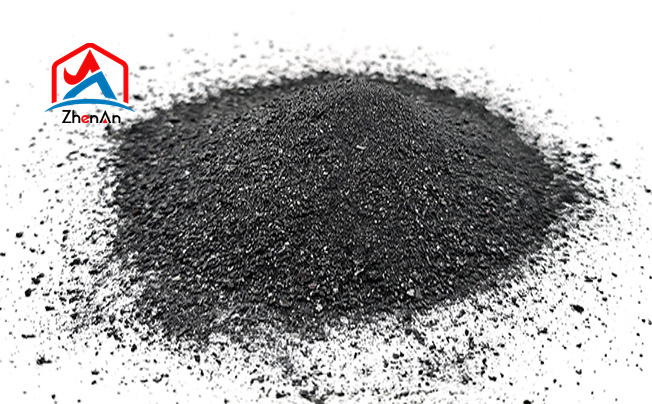
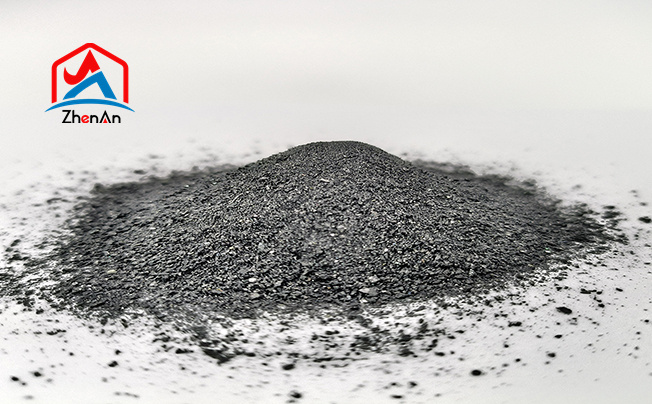
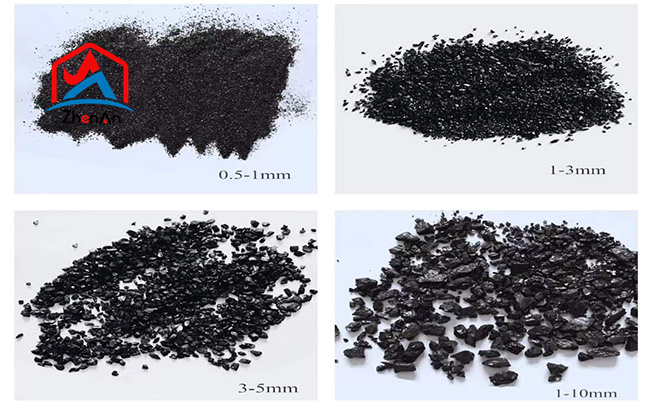
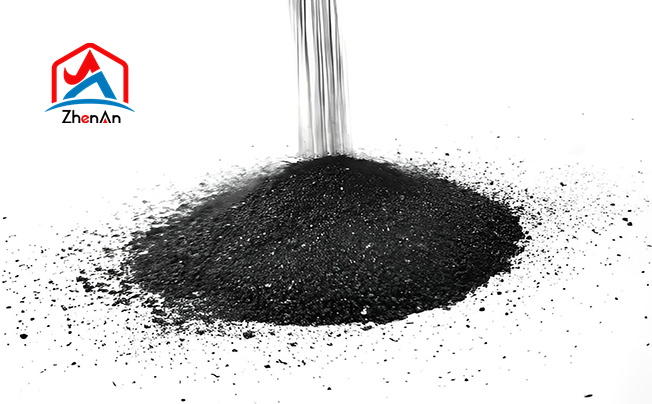
ZhenAn’s Metallurgical Grade silicon Carbide (SiC) is a specialized reagent designed to optimize the smelting process.
In high-volume steelmaking and iron casting, precision and cost-control are the two pillars of success. Traditional methods of adjusting chemistry often rely on high-priced ferroalloys and carbon raisers that increase slag volume and energy consumption.
ZhenAn’s Metallurgical Grade Silicon Carbide (SiC) is a specialized reagent designed to optimize the smelting process. Produced in large-scale electric resistance furnaces, our SiC provides a stable, highly reactive source of silicon and carbon. It is the preferred choice for modern Electric Arc Furnaces (EAF) and Induction Furnaces seeking to maximize alloy recovery while minimizing "cost-per-ton."
We maintain strict quality control to ensure that our metallurgical SiC delivers predictable results in every batch.
| Chemical Component | Grade 88 (Standard) | Grade 90 (Premium) | Grade 95 (Refractory) |
| SiC Content | ≥ 88.0% | ≥ 90.0% | ≥ 95.0% |
| Free Carbon (F.C.) | ≤ 4.5% | ≤ 3.0% | ≤ 1.5% |
| Fe2O3 | ≤ 2.0% | ≤ 1.5% | ≤ 1.0% |
| Al2O3 | ≤ 1.5% | ≤ 1.2% | ≤ 0.8% |
| Moisture | ≤ 0.5% | ≤ 0.4% | ≤ 0.2% |
Metallurgical SiC is a potent deoxidizing agent. It reacts with dissolved oxygen in the molten steel more vigorously than ferrosilicon. This rapid reaction ($SiC + 2O \rightarrow SiO_2 + C$) reduces non-metallic inclusions and creates a cleaner metal matrix.
In the production of gray and ductile iron, SiC acts as a powerful nucleating agent. It promotes graphitization, which prevents "chilling" (hard spots) and significantly improves the machinability and tensile strength of the casting.
By reducing metallic oxides in the slag, SiC improves slag fluidity and facilitates the recovery of valuable alloying elements like Manganese and Chromium.
Unlike many additives that consume furnace heat, the oxidation of Silicon Carbide is exothermic.
Internal Heating: The reaction releases thermal energy back into the melt, which can reduce the electricity required to maintain the liquid temperature by 15-30 kWh per ton.
Higher Recovery: The chemically bonded carbon in SiC has a much higher recovery rate (often 90%+) compared to traditional petroleum coke or graphite raisers.
| Feature | Ferrosilicon (FeSi 75) | Recarburizer (Coke) | ZhenAn Metallurgical SiC |
| Primary Output | Silicon | Carbon | Si + C (Balanced) |
| Energy Impact | Endothermic | Neutral | Exothermic (Heat Saving) |
| Inoculation Power | Moderate | None | High (Long-lasting) |
| Purity Control | High | Variable | High & Stable |
To ensure compatibility with various charging systems, ZhenAn provides:
Metallurgical Grains (1-10mm): Optimized for ladle additions and rapid dissolution.
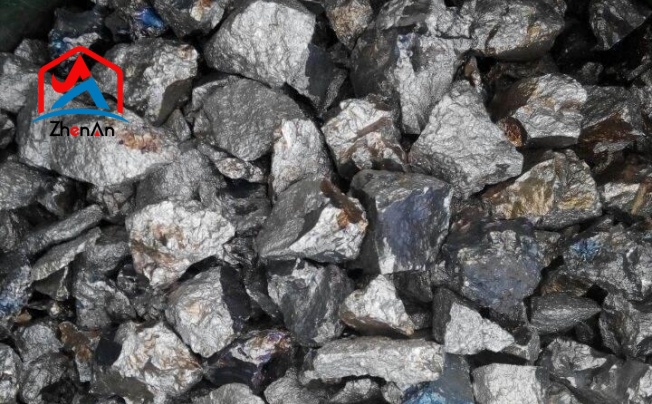
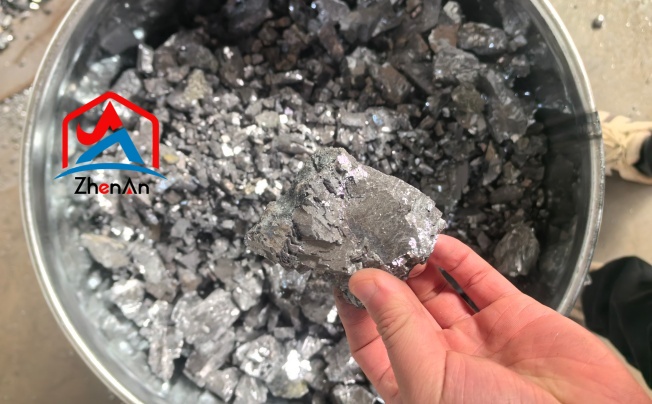
SiC Lumps (10-50mm): Designed for bulk furnace charging in EAF or Cupolas.
SiC Briquettes: Uniformly shaped 50g-100g balls for easy manual dosing and precise weight control.
ZhenAn International is a leading expert in the manufacturing and export of metallurgical materials.
Global Footprint: We ship to over 30 countries, including the USA, South Korea, Germany, and Saudi Arabia.
Quality Assurance: Every shipment is accompanied by a full COA; we also support third-party inspections by SGS or BV.
Flexible Logistics: We offer FOB, CIF, and DDP terms with 1-ton jumbo bag packaging equipped with moisture-proof liners.
Expert Support: Our technical team provides calculation models to help you transition from FeSi to SiC smoothly.
1. Can metallurgical SiC replace 100% of my ferrosilicon?
In many steel grades, SiC can replace a significant portion (50-80%) of the ferrosilicon. The limiting factor is usually the final carbon requirement of the steel. We can help you calculate the optimal substitution ratio.
2. How does SiC 88% compare to SiC 90% in metallurgical performance?
SiC 88% is the industrial "workhorse" grade and offers the highest ROI for general deoxidation. SiC 90% is typically used for higher-purity alloy steels where tighter control over trace elements is required.
3. Does silicon carbide increase the risk of nitrogen pick-up?
No. In fact, Silicon Carbide is often used to help reduce gas defects. Because it is produced at extreme temperatures, it is naturally low in hydrogen and nitrogen.
4. What is the typical addition rate for iron casting?
For gray and ductile iron, an addition rate of 0.5% to 1.5% of the charge weight is common. This provides both the necessary silicon and the nucleating power for graphite formation.
5. How does SiC reduce furnace electricity costs?
Because the reaction between SiC and oxygen is exothermic (it releases heat), the furnace doesn't have to work as hard to maintain the melt temperature, saving approximately 15-25 kWh per ton.
6. Is there a specific storage requirement?
SiC is chemically inert and has an indefinite shelf life. However, it should be kept in a dry, covered warehouse to prevent moisture accumulation, which can cause steam issues when added to molten metal.
Reach out to ZhenAn International for factory-direct pricing and technical documentation tailored to your production.
Company: ZhenAn International Co., Ltd.
Email: market@zaferroalloy.com
WhatsApp: +8615518824805
* We value your feedback! Please complete the form below so that we can tailor our services to your specific needs.