Huafu Commercial Center,
Wenfeng District,
Anyang City,Henan Province.

Huafu Commercial Center,
Wenfeng District,
Anyang City,Henan Province.
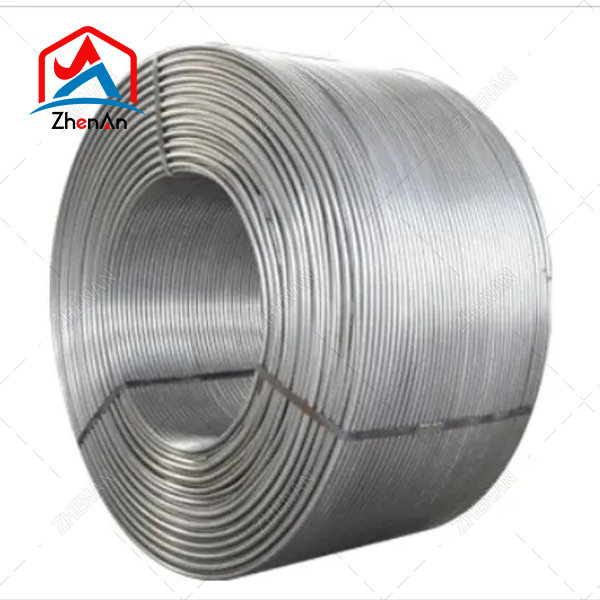
Learn why cored wire is used for alloy addition in steel production, including precise alloy control, recovery improvement, inclusion treatment, and refining applications.
Learn more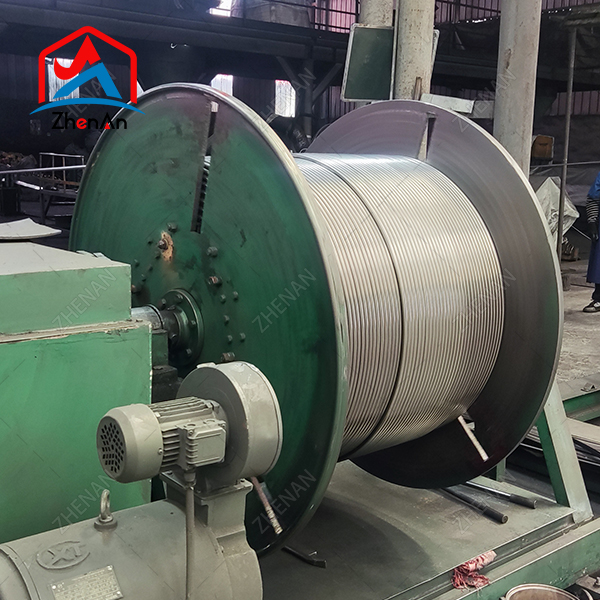
Learn why cored wire is important in steel refining, including inclusion control, alloy treatment, calcium treatment, steel quality improvement, and applications.
Learn more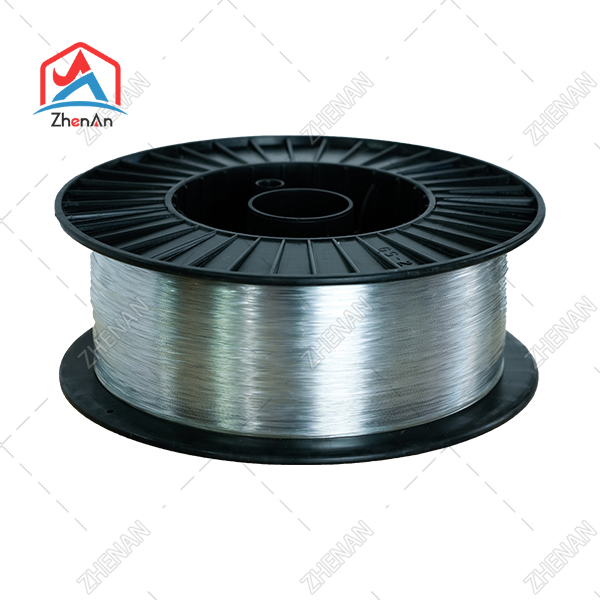
Buying nickel wire is not simply a matter of comparing the price per kilogram. For industrial buyers, the more important question is whether the nickel wire will meet the chemical,…
Learn more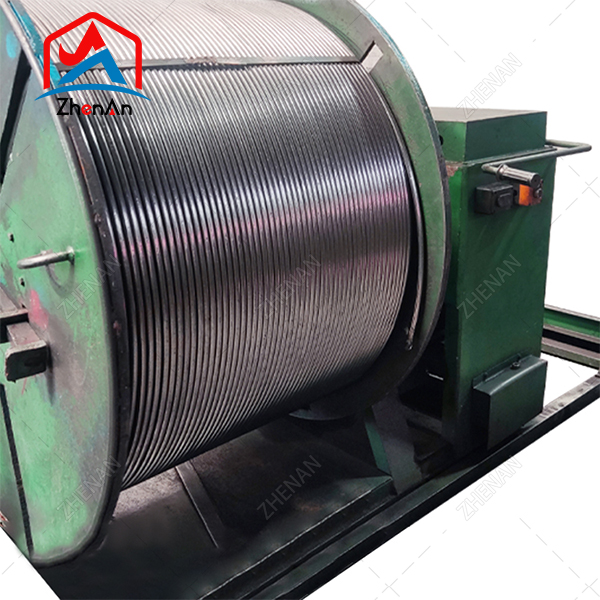
Continuous casting operations at European steelworks require exceptional process control to achieve high sequence casting ratios and meet strict surface quality standards. A major …
Learn more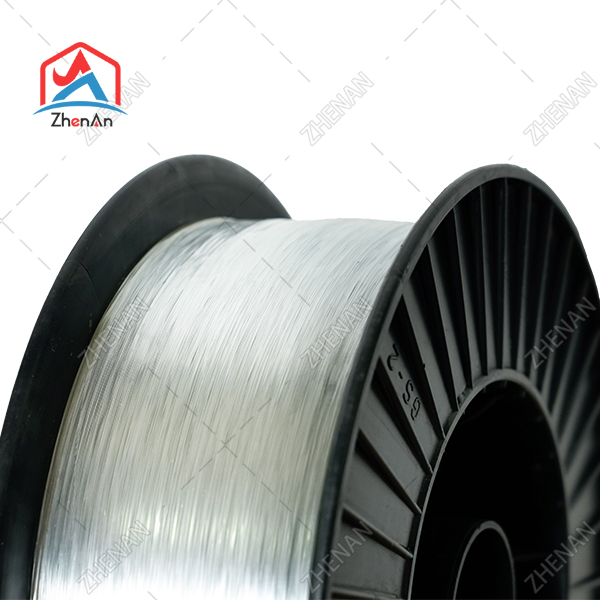
Technical EEAT guide explaining Nickel 200 and Nickel 201 thermal spray wire for chemical equipment corrosion protection in Europe, including composition differences, corrosion res…
Learn more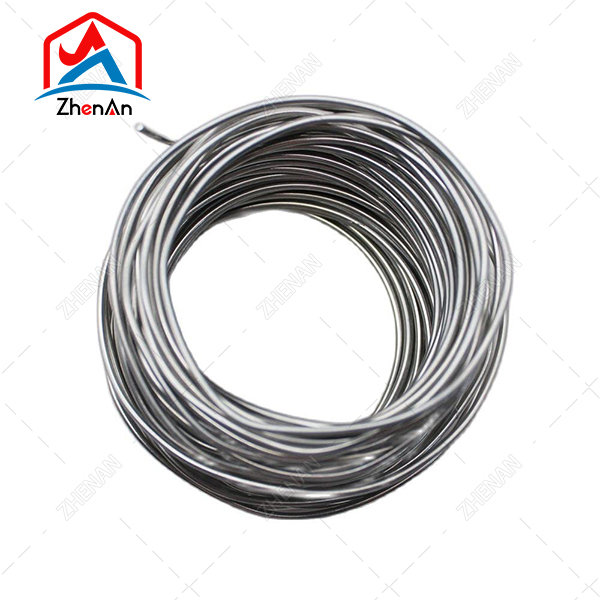
Zn-Al Alloy Wire is one of the most effective thermal spray materials for protecting steel structures against corrosion. By combining the sacrificial protection of zinc with the ba…
Learn more
High-Purity Silicon Metal Powder (Si 98.5–99.5%) | Fe ≤0.30%, Al ≤0.20%, Ca ≤0.10% | 200–325 Mesh |
Learn more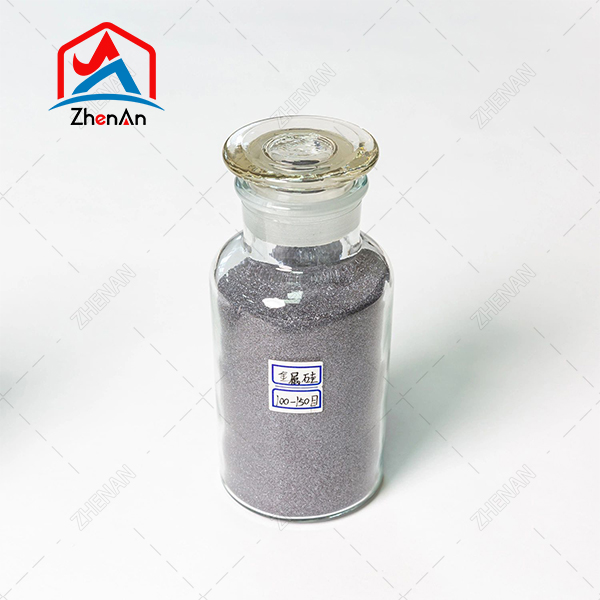
Low-Iron Silicon Metal Powder (Fe ≤0.15–0.30%) | High-Purity Si 98.5–99.5% | Controlled Reactivity for Organosilicon & Silicone Feedstock Stability | 100–325 Mesh Chemical Grade
Learn more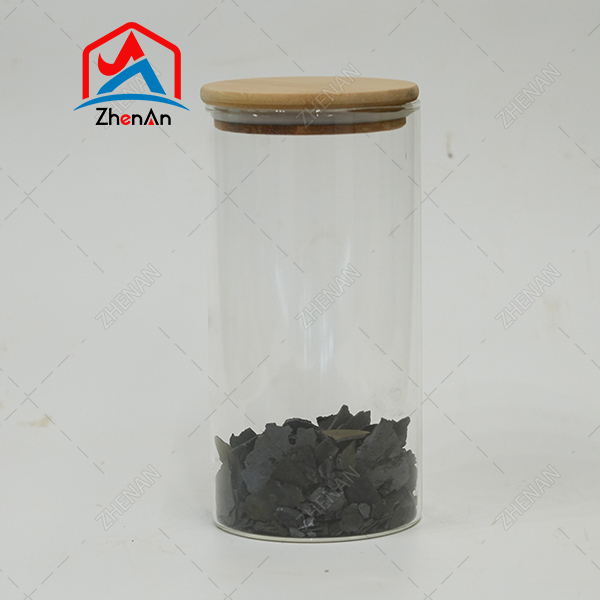
Vanadium Pentoxide Flake combines high vanadium content, stable density, excellent thermal properties, and controlled particle morphology. These physical characteristics make it a …
Learn more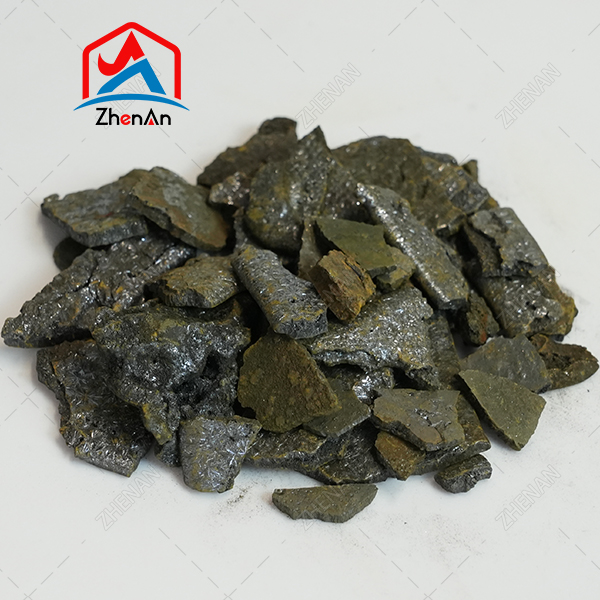
Industrial V₂O₅ Flakes are generally supplied in 98%, 99%, and 99.5% purity grades. The optimal choice depends on the intended application. Metallurgical users often select 98% ind…
Learn more