Why Is Cored Wire Used for Alloy Addition in Steel Production?
Introduction
Cored wire is used for alloy addition in steel production because it provides a controlled and efficient method for introducing alloying elements into molten steel during secondary refining. Compared with some traditional bulk alloy addition methods, cored wire allows steel plants to add precise quantities of alloy materials at controlled feeding speeds, making it suitable for adjusting steel composition and improving refining control.
Common alloy addition cored wires include ferro titanium cored wire, ferro boron cored wire, calcium silicon cored wire, and other customized alloy-filled wires used for producing different steel grades.
What Is Alloy Addition in Steel Production?
Alloy addition is the process of adding specific elements into molten steel to achieve the required chemical composition and performance characteristics.
Common alloying elements include:
- Calcium (Ca)
- Silicon (Si)
- Titanium (Ti)
- Boron (B)
- Carbon (C)
- Rare earth elements
These elements are added during steelmaking to meet the requirements of different steel grades.
What Is Cored Wire for Alloy Addition?
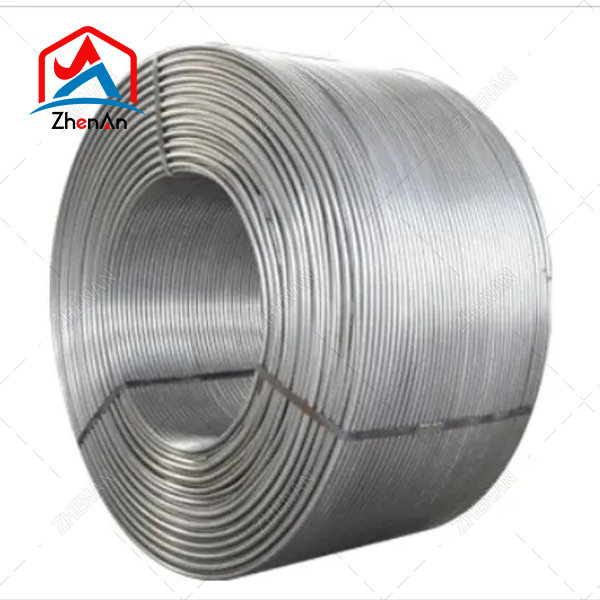
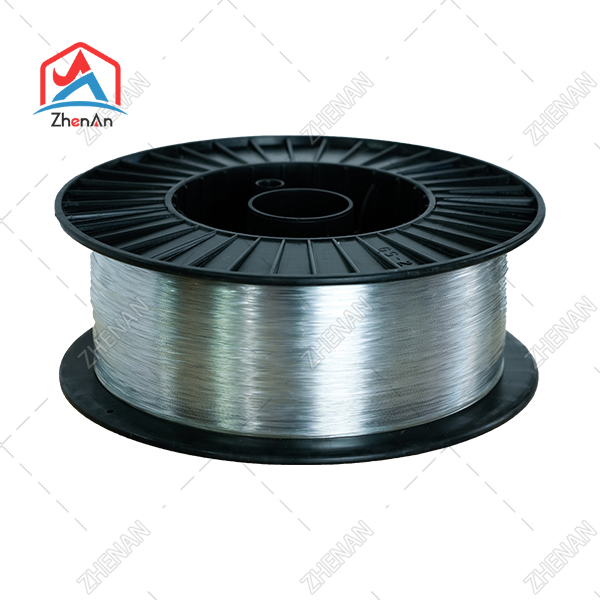
Cored wire is a steel-sheathed wire filled with powdered alloy materials.
The structure includes:
| Component | Function |
|---|---|
| Steel Sheath | Protects filling materials and provides feeding strength |
| Alloy Powder Core | Provides required alloying elements |
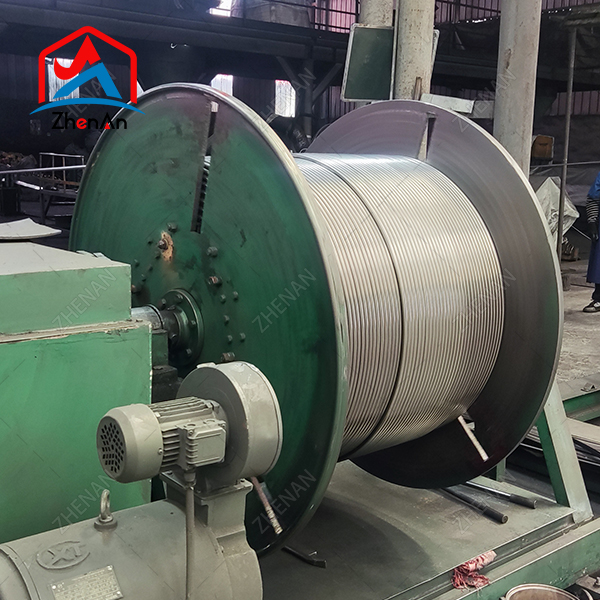
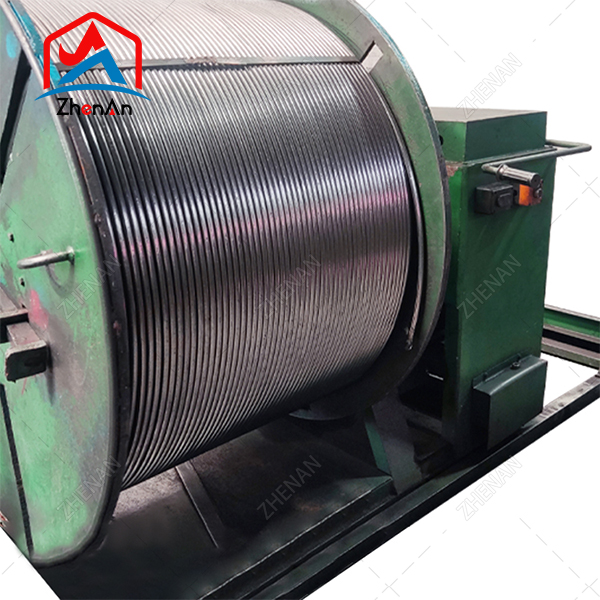
During steel refining, the cored wire is injected into molten steel through a wire feeding machine.
Why Is Cored Wire Used for Alloy Addition?
1. Precise Control of Alloy Addition
One of the main reasons steel producers use cored wire is accurate addition control.
Traditional bulk alloy addition can make small additions more difficult to control, especially when only a limited amount of alloying element is required.
Cored wire enables:
- Controlled feeding speed
- Accurate addition quantity
- Repeatable treatment operation
- Better process management
This is especially useful for specialty steels requiring specific chemical compositions.
2. Improved Recovery of Alloying Elements
Some alloying elements can react with oxygen or slag before being fully absorbed into molten steel.
The steel sheath of cored wire helps protect the internal alloy material during feeding, allowing the material to reach deeper into the molten steel.
Common alloy elements requiring controlled addition include:
- Calcium
- Titanium
- Boron
- Rare earth elements
3. Better Distribution of Alloy Materials
When cored wire enters molten steel, the internal powder is released below the steel surface.
This helps promote more uniform distribution of alloying elements throughout the molten steel.
Important factors include:
- Injection depth
- Feeding speed
- Steel temperature
- Wire specification
4. Suitable for Small Quantity Alloy Additions
Many alloying elements are required only in small amounts.
Cored wire is suitable for:
- Microalloying treatment
- Trace element adjustment
- Final composition correction
Examples:
- Titanium adjustment in microalloyed steel
- Boron addition in high-strength steel
- Calcium treatment for inclusion modification
5. Supports Clean Steel Production
Cored wire is widely used in secondary refining because it helps steelmakers control molten steel chemistry.
Applications include:
- Inclusion modification
- Calcium treatment
- Deoxidation adjustment
- Alloy composition control
These processes are important for producing steels with controlled quality requirements.
Common Types of Alloy Addition Cored Wire
| Cored Wire Type | Main Alloy Material | Application |
|---|---|---|
| Calcium Silicon Cored Wire | CaSi alloy powder | Calcium treatment and inclusion modification |
| Ferro Titanium Cored Wire | FeTi powder | Titanium alloy addition |
| Ferro Boron Cored Wire | FeB powder | Boron alloy addition |
| Carbon Cored Wire | Carbon powder | Carbon adjustment |
| Rare Earth Cored Wire | Rare earth alloy powder | Special steel treatment |
Cored Wire Alloy Addition Process in Steelmaking
Step 1: Analyze Molten Steel Composition
After primary steelmaking, steel samples are tested to determine:
- Current chemical composition
- Required alloy adjustment
- Refining objectives
Step 2: Select Suitable Cored Wire
The wire type is selected according to the target steel grade.
Examples:
- FeTi cored wire → titanium adjustment
- FeB cored wire → boron addition
- CaSi cored wire → calcium treatment
Step 3: Inject Cored Wire into Molten Steel
The wire feeding machine controls:
- Feeding speed
- Wire length
- Addition amount
The wire enters the molten steel and releases the alloy powder.
Step 4: Final Refining Adjustment
After alloy addition, steelmakers verify:
- Chemical composition
- Steel temperature
- Refining results
The molten steel is then prepared for casting.
Cored Wire vs Traditional Alloy Addition
| Factor | Cored Wire Addition | Traditional Alloy Addition |
|---|---|---|
| Addition Accuracy | Controlled feeding method | Depends on charging conditions |
| Small Alloy Addition | Suitable | More difficult for small quantities |
| Reactive Element Protection | Better protection during injection | More exposure to oxidation |
| Automation | Compatible with automatic systems | Requires different handling methods |
Applications of Alloy Addition Cored Wire
Automotive Steel
Used for controlling alloy composition and producing steel grades with specific requirements.
Pipeline Steel
Used for alloy adjustment and refining treatment.
High Strength Steel
Used for controlled addition of microalloying elements.
Tool and Special Steel
Used for precise alloy composition adjustment.
Buyer Guide: How to Select Alloy Addition Cored Wire?
1. Confirm Steel Grade Requirements
Provide:
- Steel grade
- Required alloy elements
- Target chemical composition
2. Select Correct Filling Material
Choose according to the purpose:
- CaSi for calcium treatment
- FeTi for titanium addition
- FeB for boron addition
- Carbon wire for carbon adjustment
3. Confirm Wire Specifications
Important parameters include:
- Wire diameter
- Filling ratio
- Coil weight
- Powder composition
4. Check Supplier Technical Documents
Common documents include:
- Chemical composition report
- Product specification
- COA
- Packaging information
ZhenAn Cored Wire Supply
ZhenAn supplies industrial materials for global customers with experience in metallurgical materials and industrial raw materials.
Our cored wire products are available for steel production and alloy addition applications, including:
- Calcium silicon cored wire
- Ferro alloy cored wire
- Customized alloy-filled wire
- Different wire specifications and packaging options
For product specifications, quotation, and technical information, please contact:
Email: market@zaferroalloy.com
WhatsApp: +86 15518824805
Frequently Asked Questions
1. Why is cored wire used for alloy addition in steel production?
Cored wire allows steel plants to add alloying elements with controlled feeding speed, accurate quantity, and improved process control.
2. What alloy elements can be added using cored wire?
Common elements include calcium, silicon, titanium, boron, carbon, and rare earth elements.
3. What is the advantage of cored wire over bulk alloy addition?
Cored wire is suitable for precise additions and helps deliver alloy materials into molten steel in a controlled manner.
4. Which cored wire is used for titanium alloy addition?
Ferro titanium cored wire is commonly used for titanium adjustment in steel production.
5. Why is calcium silicon cored wire used in steelmaking?
Calcium silicon cored wire is mainly used for calcium treatment and inclusion modification.
6. Can cored wire improve alloy recovery?
Cored wire can help protect reactive alloy materials during feeding and improve control of alloy addition.
7. What specifications should buyers confirm before ordering alloy cored wire?
Buyers should confirm filling material, chemical composition, wire diameter, filling ratio, coil weight, and application requirements.
8. Can alloy addition cored wire be customized?
Yes. Cored wire can be customized according to steel grade requirements and specific refining processes.