Magnesium Ingot vs Magnesium Alloy: Which is Better?
Introduction
Magnesium ingot and magnesium alloy are both important materials used in metal processing and manufacturing, but they serve different purposes. Magnesium ingot generally refers to commercially produced magnesium metal in cast form, while magnesium alloy contains magnesium combined with other elements to achieve specific material properties.
The right choice depends on the intended application, required chemical composition, mechanical performance, and downstream processing method. Magnesium ingots are commonly used as raw materials for alloy production and metallurgical applications, while magnesium alloys are selected for components that require a defined combination of strength, weight, castability, or corrosion performance.
1. What Is Magnesium Ingot?
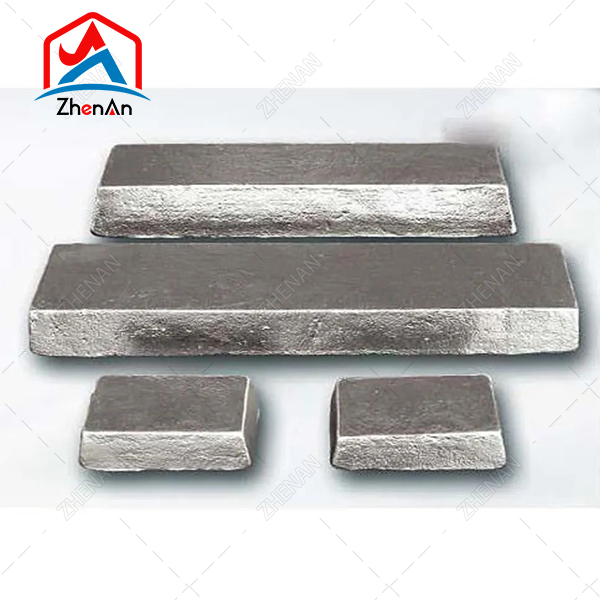
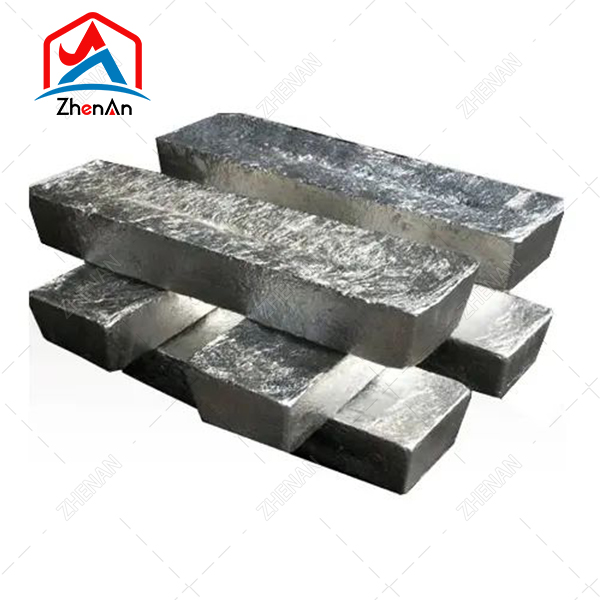
Magnesium ingot is a solid form of magnesium metal produced through casting. It is supplied in standardized or customized shapes and used as an industrial raw material.
Commercial magnesium ingots are available in different purity levels. Their chemical composition may include controlled amounts of impurities such as aluminum, zinc, manganese, silicon, iron, copper, and nickel.
Common Characteristics of Magnesium Ingot
- Lightweight metallic material.
- High chemical reactivity compared with many common structural metals.
- Suitable as a raw material for magnesium alloy production.
- Used in metallurgical processes and industrial manufacturing.
- Available in different grades according to chemical composition.
Typical Applications
Magnesium ingots are used in:
- Magnesium alloy manufacturing.
- Aluminum alloy production as an alloying addition.
- Metallurgical processing and metal treatment.
- Chemical and industrial applications where magnesium metal is required.
- Specialized manufacturing processes.
2. What Is Magnesium Alloy?
Magnesium alloy is a metallic material in which magnesium is the main element, combined with one or more alloying elements.
Common alloying elements include:
- Aluminum (Al)
- Zinc (Zn)
- Manganese (Mn)
- Calcium (Ca)
- Rare earth elements
- Zirconium (Zr)
These elements are added to modify the material's mechanical, physical, and processing properties.
Common Magnesium Alloy Families
| Alloy family | Main alloying elements | General characteristics |
|---|---|---|
| AZ series | Aluminum and zinc | Commonly used for cast and wrought applications |
| AM series | Aluminum and manganese | Used where ductility and casting characteristics are important |
| ZK series | Zinc and zirconium | Developed for specific strength and structural requirements |
| WE series | Yttrium and rare earth elements | Used in selected high-performance applications |
The exact properties depend on the alloy designation, chemical composition, manufacturing route, heat treatment, and product form.
Typical Applications
Magnesium alloys are used in:
- Automotive components.
- Aerospace structures and components.
- Electronic equipment housings.
- Lightweight machinery parts.
- Transportation equipment.
- Die-cast and extruded components.
3. Magnesium Ingot vs Magnesium Alloy: Key Differences
The main difference is that magnesium ingot describes a product form and commercial material category, whereas magnesium alloy describes a material composition.
| Comparison factor | Magnesium ingot | Magnesium alloy |
|---|---|---|
| Material composition | Magnesium metal with controlled impurities | Magnesium combined with selected alloying elements |
| Product form | Usually cast ingots | Ingots, billets, sheets, extrusions, castings, and other forms |
| Main purpose | Raw material for further processing | Material for specific manufacturing applications |
| Composition control | Based on commercial purity grade | Based on a defined alloy designation |
| Mechanical properties | Depend on purity and processing condition | Engineered through alloy composition and processing |
| Typical use | Alloy production and metallurgical applications | Structural and manufactured components |
Important: Magnesium ingots can also be used as feedstock for producing magnesium alloys. Therefore, the two terms are not always mutually exclusive in the supply chain.
4. Magnesium Ingot vs Magnesium Alloy: Which Has Better Properties?
There is no universal answer. The better material depends on the performance requirements of the final product.
4.1 Weight
Magnesium and many magnesium alloys have a low density, generally around 1.7–1.8 g/cm³ depending on composition and material condition.
Both can be useful in lightweight applications. The actual component weight also depends on its design and manufacturing process.
4.2 Strength and Mechanical Performance
Pure or high-purity magnesium is not automatically suitable for every structural application. Alloying elements and processing methods can improve selected mechanical properties.
Magnesium alloys are therefore commonly selected when a component needs a specified balance of strength, ductility, castability, or dimensional stability.
4.3 Corrosion Resistance
Corrosion performance varies considerably with chemical composition, impurities, surface condition, and operating environment.
Some magnesium alloys are designed to provide improved corrosion performance compared with less suitable magnesium compositions. However, surface treatment, coating, and environmental control may still be necessary.
4.4 Processing Requirements
Magnesium ingots are typically used as feedstock for melting, alloying, and other metallurgical operations.
Magnesium alloys are selected according to the downstream process, such as die casting, permanent mold casting, extrusion, or machining.
5. How to Choose Between Magnesium Ingot and Magnesium Alloy
Industrial buyers should start with the intended use rather than choosing a material based only on its name or price.
Choose Magnesium Ingot When:
- You need magnesium metal as a raw material.
- Your production process includes alloying or remelting.
- You have defined requirements for magnesium purity.
- You manufacture magnesium alloys or use magnesium as an alloying addition.
Choose Magnesium Alloy When:
- You need a material with a specific alloy designation.
- The final component requires defined mechanical properties.
- You have an established casting, extrusion, or forming process.
- Your production specification identifies a particular alloy composition.
6. Key Specifications Buyers Should Check
Before purchasing magnesium ingots or magnesium alloys, confirm the following information.
| Specification | What buyers should confirm |
|---|---|
| Material type | Commercial magnesium metal or a specific magnesium alloy |
| Grade | Required purity grade or alloy designation |
| Chemical composition | Mg content and limits for relevant alloying elements and impurities |
| Product form | Ingot, billet, casting, or another form |
| Dimensions and weight | Individual ingot weight and size requirements |
| Surface condition | Appearance, oxidation, contamination, and visible defects |
| Testing documents | Chemical analysis report or Certificate of Analysis (COA) |
| Packaging | Packaging method, protection, and loading requirements |
| Delivery terms | Quantity, destination, Incoterms, and shipment schedule |
What Should Buyers Confirm Before Ordering?
- Is the material intended for alloy production or direct component manufacturing?
- What purity level or alloy designation is required?
- Are there maximum limits for iron, nickel, copper, and other impurities?
- Does the buyer require a specific chemical analysis standard?
- What are the required quantity, packaging, and delivery terms?
A clear technical specification helps suppliers evaluate the correct material and reduces the risk of a mismatch between the ordered product and the production requirement.
7. ZhenAn Magnesium Material Supply
ZhenAn supplies industrial materials for global customers with experience in metallurgical materials and industrial raw materials.
For magnesium ingot inquiries, buyers can provide their required grade, magnesium content, impurity limits, ingot dimensions, order quantity, and destination port. Product availability, specifications, packaging, and customized requirements can then be evaluated according to the inquiry.
8. Frequently Asked Questions
1. What is the main difference between magnesium ingot and magnesium alloy?
Magnesium ingot generally refers to cast magnesium metal supplied as a raw material. Magnesium alloy contains magnesium combined with other elements to achieve specific material properties.
2. Is magnesium ingot pure magnesium?
Not necessarily. Commercial magnesium ingots are supplied according to defined purity grades, and their chemical composition includes controlled limits for impurities.
3. Can magnesium ingots be used to produce magnesium alloys?
Yes. Magnesium ingots can be melted and combined with selected alloying elements to produce magnesium alloys with specified compositions.
4. Is magnesium alloy stronger than pure magnesium?
Many magnesium alloys are designed to provide improved mechanical properties compared with pure magnesium. Actual strength depends on alloy composition, manufacturing process, heat treatment, and product condition.
5. Which magnesium material is used in automotive manufacturing?
Magnesium alloys are commonly used for selected automotive components because of their low density and application-specific mechanical properties. The appropriate grade depends on component design and performance requirements.
6. What purity grades are available for magnesium ingots?
Commercial magnesium ingots are available in different purity grades. Buyers should confirm the required magnesium content and maximum impurity levels against the applicable standard or purchasing specification.
7. What documents should be requested when buying magnesium ingots?
Buyers commonly request a Certificate of Analysis (COA), product specification, packing details, and relevant safety documentation. Additional inspection documents may be required by the purchasing contract.
8. How can I request a quotation for magnesium ingots?
Provide the required grade, chemical composition, quantity, packaging requirements, destination port, and preferred delivery terms. These details help the supplier assess the material and prepare a quotation.
9. Contact ZhenAn for Magnesium Material Inquiries
For product specifications, quotation, and technical information, please contact:
Email: market@zaferroalloy.com
WhatsApp: +86 15518824805