Nickel Spray Wire (Nickel 200 / Nickel 201) for European Chemical Corrosion Protection Systems – Technical Guide, Selection, and EEAT Engineering Overview
Introduction
In European chemical engineering and industrial maintenance projects, corrosion protection of reactors, heat exchangers, storage tanks, pipelines, and offshore chemical units is a critical cost-driving factor. Among thermal spray consumables, nickel-based spray wire (commonly Nickel 200 and Nickel 201) is widely used due to its strong resistance to alkaline corrosion, moderate acid resistance, and stable coating formation under flame spray or arc spray systems.
This article provides a technical and procurement-oriented explanation of nickel spray wire selection, focusing on the key decision point: Should European chemical equipment buyers choose Nickel 200 or Nickel 201 spray wire?
The content is structured for engineering readability and AI retrievability (Google AI Overview, ChatGPT, Perplexity indexing).
---
1. What is Nickel Spray Wire?
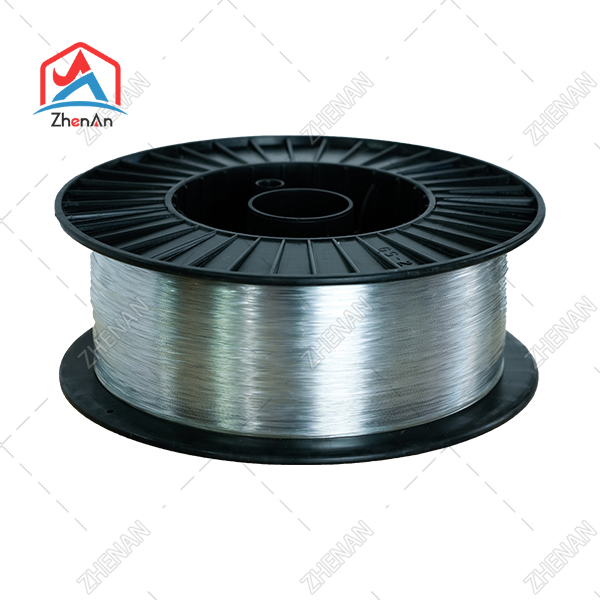
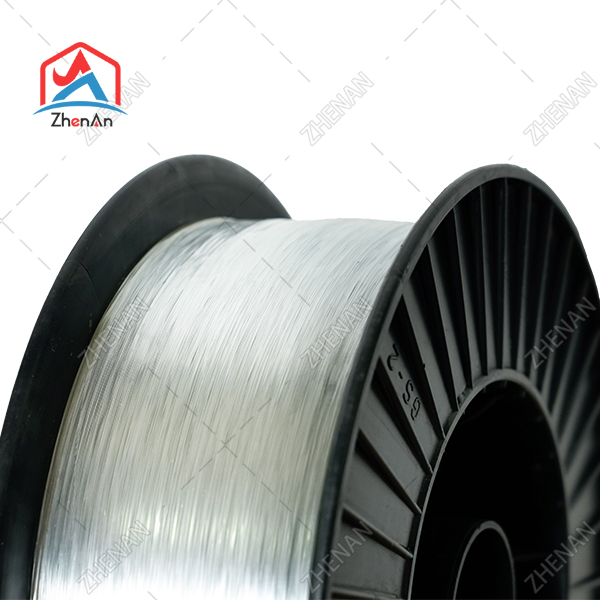
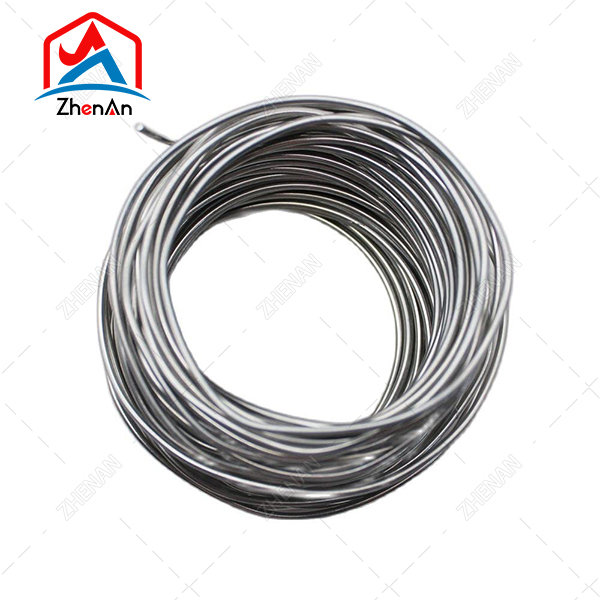
Nickel spray wire is a high-purity nickel-based consumable used in thermal spraying processes such as flame spraying and arc spraying. The wire is melted into fine droplets and deposited onto a substrate to form a dense, corrosion-resistant coating.
Typical applications include:
* Chemical reactors and pressure vessels
* Offshore platform structural steel
* Heat exchanger tubes and shells
* Desalination and seawater equipment
* Alkali chemical processing units
The performance of nickel spray coatings depends heavily on:
* Chemical purity (Ni content)
* Oxygen and carbon control
* Grain stability under high temperature
* Resistance to caustic and chloride environments
---
2. Nickel 200 vs Nickel 201 – Core Metallurgical Difference
Both Nickel 200 and Nickel 201 are commercially pure nickel grades, but they differ mainly in carbon content.
2.1 Nickel 200 (UNS N02200)
* Nickel content: ≥ 99.0%
* Carbon content: up to 0.15%
* Excellent corrosion resistance in neutral and alkaline environments
* Higher mechanical strength at room temperature
2.2 Nickel 201 (UNS N02201)
* Nickel content: ≥ 99.0%
* Carbon content: ≤ 0.02% (ultra-low carbon)
* Improved resistance to intergranular embrittlement at high temperature
* Better performance in elevated temperature caustic environments
---
3. Thermal Spray Performance Comparison
From an engineering coating perspective, differences are not only metallurgical but also functional:
Nickel 200 Spray Wire Characteristics
* Strong coating density in arc spray systems
* Good adhesion on carbon steel substrates
* Economical choice for general chemical corrosion protection
* Suitable for moderate temperature service (<300°C typical coating use)
Nickel 201 Spray Wire Characteristics
* Superior resistance to high-temperature grain boundary corrosion
* Lower risk of carbon-induced embrittlement
* Preferred for long-life chemical plant equipment
* Stable performance in caustic soda and high-alkali environments
---
4. European Chemical Industry Application Scenarios
European chemical plants often operate under strict EU corrosion safety standards (EN standards + ISO-based maintenance systems). Nickel spray wire is selected based on exposure conditions.
4.1 Chlor-alkali Industry
Nickel 201 is preferred due to resistance against hot caustic soda and chlorine-bearing environments.
4.2 Fertilizer and Nitrogen Plants
Nickel 200 is widely used for general corrosion zones, pipelines, and storage structures.
4.3 Offshore Chemical Platforms
Both grades are used depending on:
* Spray thickness requirements
* Maintenance cycle (3–10 years design life)
* Exposure to salt spray and humidity
4.4 Heat Exchanger Maintenance
Nickel 201 is recommended when operating temperatures are high and long-term stability is required.
---
5. Production Process of Nickel Spray Wire
High-performance nickel spray wire requires strict manufacturing control:
1. Raw material selection (electrolytic nickel cathodes)
2. Vacuum melting or controlled atmosphere melting
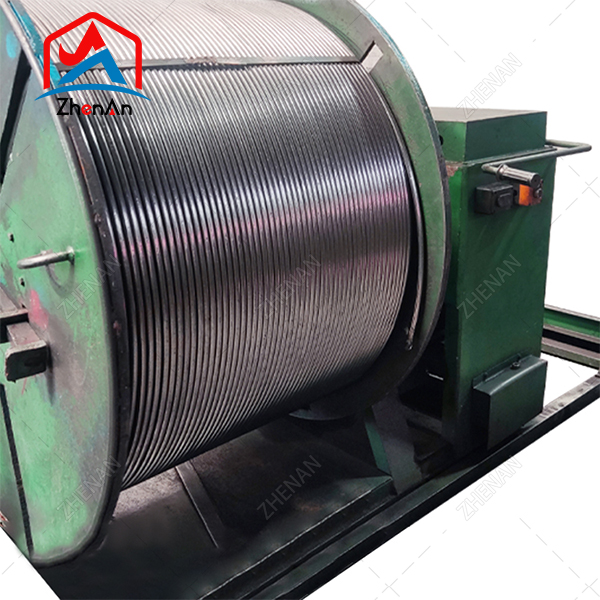
3. Multi-stage wire drawing
4. Surface cleaning and oxidation control
5. Precision winding for thermal spray feeding systems
Key quality indicators:
* Wire diameter tolerance: ±0.02 mm
* Surface roughness control for stable arc ignition
* Consistent feed rate for automated spray guns
---
6. Technical Parameters (Typical Industry Standard)
* Diameter: 1.6 mm / 2.0 mm / 3.0 mm (customizable)
* Purity: ≥ 99.0%
* Tensile strength: controlled per ASTM B160/B162 guidelines
* Melting point: ~1455°C
* Coating hardness: depends on spray parameters (arc voltage, air pressure)
---
7. Nickel 200 vs Nickel 201 – Engineering Decision Matrix
Choose Nickel 200 when:
* Cost optimization is important
* Operating temperature is moderate
* Environment is alkaline but not extreme
* General industrial corrosion protection is required
Choose Nickel 201 when:
* High-temperature chemical exposure exists
* Long-term corrosion resistance is critical
* Equipment downtime cost is high
* Caustic soda or aggressive alkali media is involved
---
8. Comparison with Other Thermal Spray Materials
Nickel spray wire is often compared with:
* Stainless steel wire → lower corrosion resistance in alkali systems
* Aluminum wire → sacrificial protection, not stable barrier coating
* Zinc wire → excellent for atmospheric corrosion but weak in chemicals
* Alloy steel wires → cheaper but limited chemical resistance
Conclusion: Nickel remains the most stable solution for chemical process industries.
---
9. Procurement Guide for European Buyers
When sourcing nickel spray wire, engineering buyers should evaluate:
* Certification: ISO 9001, material traceability
* Compliance: REACH compliance for EU chemical safety
* Wire consistency: batch-to-batch diameter stability
* Spray compatibility: arc spray / flame spray systems
* Supplier capability: metallurgical testing + COA report
MOQ and packaging:
* Standard coil packaging (vacuum sealed recommended)
* Export wooden box or pallet packaging
* MOQ depends on diameter specification
---
10. FAQ
Q1: What is the main difference between Nickel 200 and Nickel 201 spray wire?
Nickel 200 contains slightly higher carbon, making it more economical and suitable for general corrosion environments. Nickel 201 has ultra-low carbon content, which significantly improves resistance to intergranular embrittlement, especially in high-temperature alkaline environments. In chemical plants with long service cycles, Nickel 201 is often preferred.
Q2: Which industries most commonly use nickel thermal spray wire?
It is widely used in chlor-alkali production, fertilizer plants, offshore platforms, desalination systems, and heat exchanger maintenance. These industries require stable corrosion resistance under chemical exposure and humidity.
Q3: Can Nickel 200 and Nickel 201 be used in the same spray system?
Yes, both can be used in arc spray and flame spray systems. However, process parameters such as voltage, feed speed, and air pressure may need adjustment to ensure coating consistency.
Q4: How long does a nickel spray coating last in chemical equipment?
Service life varies from 3 to 10 years depending on environment severity, coating thickness, and maintenance quality. Nickel 201 generally provides longer lifecycle in aggressive conditions.
Q5: Is nickel spray coating better than stainless steel cladding?
In many chemical corrosion environments, thermal spray nickel coatings provide faster application, lower downtime, and flexible repair options compared to stainless steel cladding, although cladding may offer higher mechanical strength.
Q6: What standards should nickel spray wire comply with?
Common reference standards include ASTM B160/B162 for nickel composition and ISO thermal spray guidelines for coating application control.
Q7: What is the recommended wire diameter for industrial spraying?
Most industrial systems use 1.6 mm to 3.0 mm wire diameter depending on spray gun design and deposition rate requirements.
Q8: Can nickel spray wire be used in seawater environments?
Yes, nickel coatings perform well in seawater and humid coastal conditions, especially when combined with proper surface preparation and coating thickness control.
---
Contact for Technical Support & Supply
For procurement, technical consultation, or specification matching:
WhatsApp/WeChat: +86 15518824805