Magnesium Metal vs Titanium Metal: Key Differences
Introduction
Magnesium metal and titanium metal are both lightweight engineering materials, but they have significantly different physical properties, mechanical performance, corrosion behavior, and industrial applications.
Magnesium is one of the lightest structural metals, with a density of approximately 1.74 g/cm³, while titanium has a density of approximately 4.5 g/cm³. Magnesium is often selected when minimizing material weight is a major consideration. Titanium is widely used where a combination of high strength, corrosion resistance, and performance in demanding environments is required.
For industrial buyers, the correct choice depends on component design, operating conditions, required mechanical properties, processing methods, and total material cost.
1. What Is Magnesium Metal?
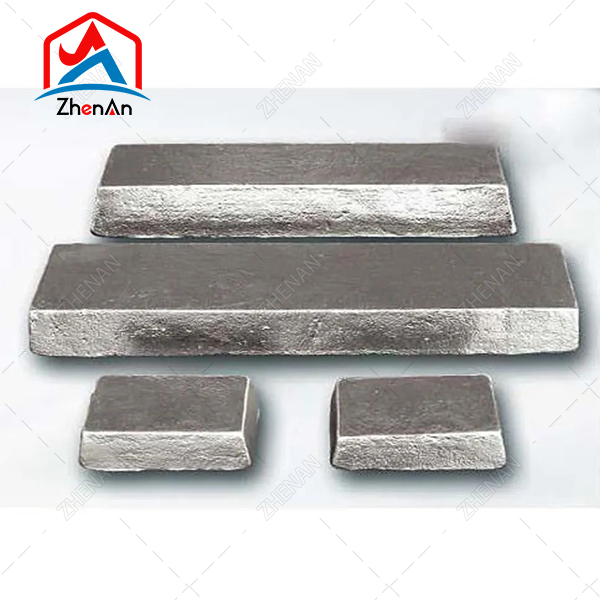
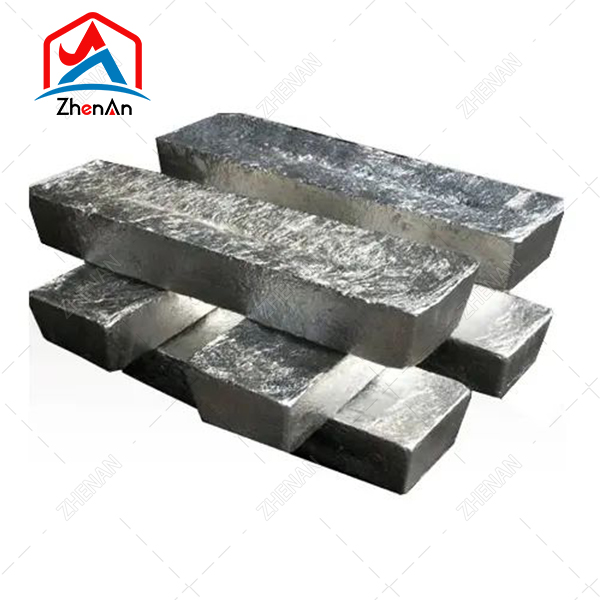
Magnesium is a lightweight metallic element with the chemical symbol Mg and atomic number 12. It is commonly supplied in ingot form for metallurgical and industrial applications.
Magnesium has a relatively low density and good machinability under suitable processing conditions. It is also used as an alloying element in aluminum production and as the base metal for magnesium alloy manufacturing.
Main Characteristics of Magnesium Metal
- Low density, approximately 1.74 g/cm³.
- Melting point of approximately 650°C.
- High chemical reactivity compared with many common structural metals.
- Used in magnesium alloy production and metallurgical processes.
- Suitable for selected lightweight manufacturing applications.
Common Applications
Magnesium metal is used in:
- Magnesium alloy manufacturing.
- Aluminum alloy production.
- Metallurgical processing.
- Chemical and industrial applications.
- Lightweight component manufacturing through magnesium alloys.
2. What Is Titanium Metal?
Titanium is a metallic element with the chemical symbol Ti and atomic number 22. It is valued for its high strength-to-weight ratio, corrosion resistance, and performance in demanding service environments.
Titanium is commonly supplied in forms such as sponge, ingot, billet, bar, sheet, plate, and other processed products. Commercially pure titanium and titanium alloys have different compositions and properties.
Main Characteristics of Titanium Metal
- Density of approximately 4.5 g/cm³.
- Melting point of approximately 1,668°C.
- High strength relative to its weight.
- Strong corrosion resistance in many environments due to its stable oxide film.
- Used in aerospace, chemical processing, medical, and industrial applications.
Common Applications
Titanium and titanium alloys are used in:
- Aerospace structures and engine components.
- Chemical processing equipment.
- Marine and offshore equipment.
- Medical implants and devices.
- Industrial heat exchangers and corrosion-resistant equipment.
3. Magnesium Metal vs Titanium Metal: Key Differences
Although both materials are considered lightweight metals, their properties make them suitable for different engineering requirements.
| Comparison factor | Magnesium metal | Titanium metal |
|---|---|---|
| Chemical symbol | Mg | Ti |
| Approximate density | 1.74 g/cm³ | 4.5 g/cm³ |
| Approximate melting point | 650°C | 1,668°C |
| Relative weight | Very low | Higher than magnesium |
| Strength | Depends on purity and alloy composition | Generally higher for many engineering grades |
| Corrosion behavior | More sensitive to corrosion conditions | Strong corrosion resistance in many environments |
| Surface oxide | Forms an oxide layer, but protection is environment-dependent | Forms a stable, protective oxide film |
| Processing | Requires attention to oxidation and fire risks | Requires specialized processing due to high melting point and reactivity at elevated temperatures |
| Typical applications | Alloying, metallurgy, lightweight components | Aerospace, chemical processing, medical and marine equipment |
Note: Values are approximate reference figures. Actual properties vary with material grade, composition, product form, and testing conditions.
4. Density and Weight: Which Metal Is Lighter?
Magnesium is significantly lighter than titanium.
| Material | Approximate density |
|---|---|
| Magnesium | 1.74 g/cm³ |
| Titanium | 4.5 g/cm³ |
At equal volume, magnesium weighs approximately 39% as much as titanium. This makes magnesium attractive for applications where reducing component weight is a priority.
However, material selection should not be based on density alone. Engineers must also consider strength, stiffness, fatigue performance, corrosion behavior, operating temperature, and component geometry.
For some applications, a titanium component may achieve the required performance with a different design or material thickness. The final weight comparison therefore depends on the engineering specification.
5. Strength and Mechanical Properties
5.1 Magnesium Metal
Pure magnesium has relatively limited strength for demanding structural applications. Magnesium alloys are more commonly considered when mechanical performance is important.
The strength and ductility of magnesium alloys depend on:
- Alloying elements.
- Manufacturing process.
- Casting or forming method.
- Heat treatment.
- Operating temperature.
Magnesium alloys are used in selected applications where low weight and suitable mechanical properties are required.
5.2 Titanium Metal
Titanium and titanium alloys are known for their high strength-to-weight ratio.
They are commonly selected for components exposed to mechanical loads, demanding service conditions, and environments where corrosion resistance is important.
Different titanium grades provide different combinations of strength, ductility, weldability, and corrosion performance.
5.3 Which Is Stronger?
There is no single answer without specifying the grades and product conditions. Many titanium grades have higher strength than commercially pure magnesium, but comparisons between particular magnesium alloys and titanium alloys require actual mechanical test data.
Buyers should compare tensile strength, yield strength, elongation, hardness, and fatigue requirements rather than relying on the general material name.
6. Corrosion Resistance and Chemical Behavior
Corrosion resistance is another important difference between magnesium and titanium.
Magnesium Corrosion Behavior
Magnesium is relatively reactive and can corrode in environments containing moisture, salts, or other aggressive substances.
Its corrosion performance is affected by:
- Chemical purity.
- Alloy composition.
- Impurity content.
- Surface condition.
- Humidity and exposure environment.
- Protective coatings or surface treatments.
For this reason, magnesium components may require suitable corrosion protection depending on their application.
Titanium Corrosion Behavior
Titanium forms a stable oxide film on its surface. This film provides strong corrosion resistance in many environments, including numerous chemical and marine applications.
However, titanium is not immune to all forms of corrosion. Its performance depends on the specific chemical environment, temperature, concentration, and material grade.
7. Industrial Applications: Magnesium vs Titanium
| Industry | Magnesium applications | Titanium applications |
|---|---|---|
| Automotive | Selected lightweight components and magnesium alloy parts | Selected high-performance components |
| Aerospace | Lightweight structural and interior components using suitable alloys | Aircraft structures, engine components, and critical parts |
| Metallurgy | Alloying additions and magnesium alloy production | Titanium alloy production and specialized metal processing |
| Chemical processing | Selected chemical and metallurgical uses | Corrosion-resistant equipment and components |
| Medical | Limited specialized applications | Implants and medical devices |
| Electronics | Housings and lightweight structural parts | Selected specialized components |
The two metals are not direct substitutes in every application. Their different properties lead to different engineering and purchasing requirements.
8. Cost and Processing Considerations
Material cost is influenced by more than the price per kilogram.
Magnesium
Magnesium may be attractive for weight-sensitive products and selected high-volume manufacturing processes. However, buyers should consider alloying, corrosion protection, machining conditions, and safe handling requirements.
Titanium
Titanium generally involves more demanding extraction, melting, and processing routes. Its cost is affected by grade, product form, processing history, and market conditions.
For high-performance applications, the higher material cost may be justified by the required strength, corrosion resistance, or service life.
What Should Buyers Compare?
- Price per kilogram and total material consumption.
- Required material grade.
- Processing and machining costs.
- Surface treatment requirements.
- Expected operating environment.
- Inspection and certification requirements.
- Total cost over the component's service life.
9. How to Choose Between Magnesium and Titanium Metal
Choose Magnesium When:
- Low material density is a major design priority.
- The application can use magnesium or a suitable magnesium alloy.
- Operating conditions are compatible with magnesium's corrosion behavior.
- The manufacturing process supports safe magnesium handling.
- The required mechanical properties can be achieved with the selected grade and design.
Choose Titanium When:
- High strength-to-weight performance is required.
- Corrosion resistance is a key requirement.
- The component operates in demanding chemical or marine environments.
- The application requires specific high-temperature or mechanical performance.
- The project specification identifies a titanium grade.
Procurement Checklist
Before placing an order, industrial buyers should confirm:
| Item | Information to specify |
|---|---|
| Material | Magnesium or titanium |
| Grade | Commercial purity grade or alloy designation |
| Chemical composition | Required element ranges and impurity limits |
| Product form | Ingot, sponge, billet, bar, sheet, plate, or other form |
| Mechanical properties | Tensile strength, yield strength, elongation, and hardness where applicable |
| Dimensions | Size, thickness, length, or individual unit weight |
| Inspection | COA, test report, and third-party inspection if required |
| Packaging | Suitable packaging for the material and transport conditions |
| Delivery | Order quantity, destination, Incoterms, and delivery schedule |
10. ZhenAn Industrial Material Supply
ZhenAn supplies industrial materials for global customers with experience in metallurgical materials and industrial raw materials.
For magnesium metal inquiries, buyers can provide their required grade, chemical composition, impurity limits, ingot specifications, quantity, and destination. Product availability, packaging, and customized requirements can be evaluated according to the purchasing specification.
For titanium-related requirements, buyers should specify the exact titanium material grade and product form so that the supply scope can be checked before quotation.
11. Frequently Asked Questions
1. Is magnesium lighter than titanium?
Yes. Magnesium has a density of approximately 1.74 g/cm³, while titanium has a density of approximately 4.5 g/cm³. Magnesium is significantly lighter at equal volume.
2. Which metal is stronger, magnesium or titanium?
Many titanium grades have higher strength than commercially pure magnesium. However, strength depends on the specific grade, alloy composition, and product condition. A valid comparison requires mechanical test data.
3. Why is titanium more corrosion-resistant than magnesium?
Titanium forms a stable protective oxide film that provides strong corrosion resistance in many environments. Magnesium is more chemically reactive and can be more susceptible to corrosion under certain conditions.
4. What is the melting point of magnesium and titanium?
Magnesium melts at approximately 650°C, while titanium melts at approximately 1,668°C. These are approximate reference values for the pure metals.
5. Is magnesium metal used in aluminum alloy production?
Yes. Magnesium is used as an alloying element in several aluminum alloy systems. The required addition depends on the target alloy composition and production process.
6. Is titanium a direct substitute for magnesium?
Not generally. Titanium and magnesium have different density, strength, corrosion behavior, processing requirements, and costs. Substitution requires an engineering assessment of the final component.
7. What specifications should buyers check when purchasing magnesium metal?
Buyers should confirm magnesium content, impurity limits, material grade, ingot dimensions, individual weight, packaging, quantity, and required inspection documents.
8. What documents are required for industrial metal procurement?
Common documents include a Certificate of Analysis (COA), product specification, packing list, and relevant safety documentation. Additional test reports or inspection certificates should be agreed upon in the purchasing contract.
12. Contact ZhenAn for Magnesium Metal Inquiries
For product specifications, quotation, and technical information, please contact:
Email: market@zaferroalloy.com
WhatsApp: +86 15518824805