Huafu Commercial Center,
Wenfeng District,
Anyang City,Henan Province.

Huafu Commercial Center,
Wenfeng District,
Anyang City,Henan Province.
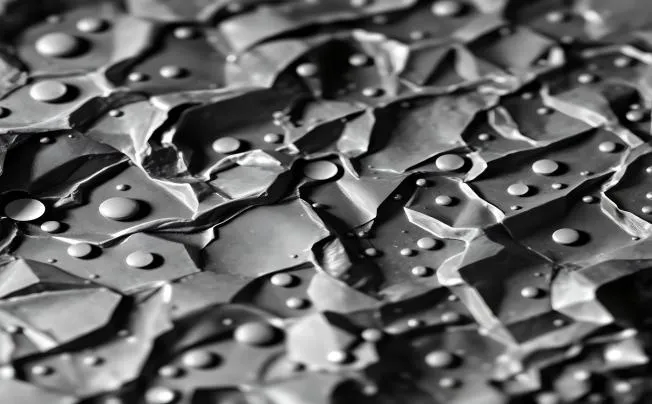
Silicon metal, a versatile chemical element with atomic number 14 and symbol Si, holds a significant place in the realm of industrial applications due to its remarkable properties.
Learn more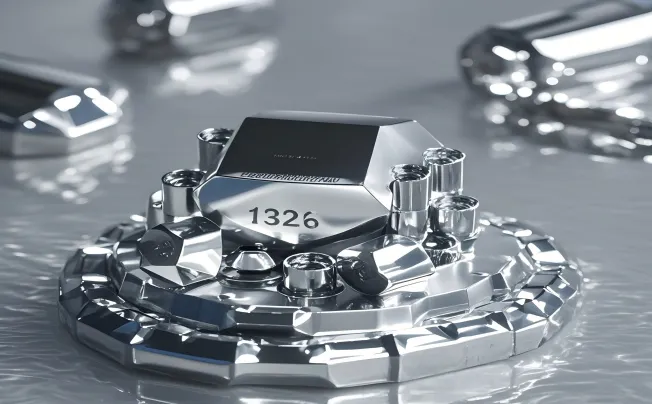
Silicon metal, a versatile chemical element with atomic number 14 and symbol Si, holds a significant place in the realm of industrial applications due to its remarkable properties.
Learn more
Silicon, a versatile and abundant element, holds a pivotal role in numerous industries due to its unique properties. With atomic number 14 and the symbol Si on the periodic table, …
Learn more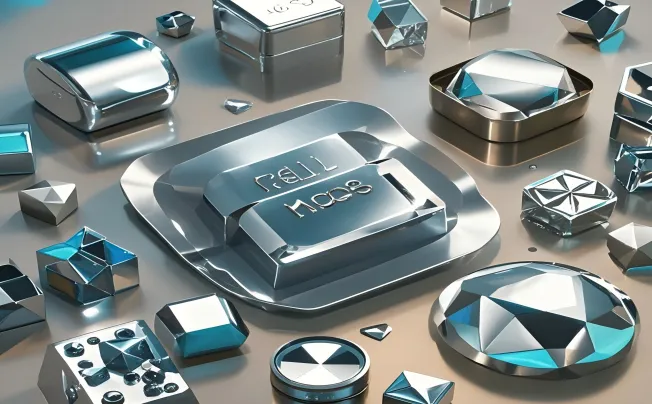
Silicon's atomic number 14 is a fascinating element that blurs the line between metals and non-metals. Often classified as a metalloid, silicon displays properties of both categori…
Learn more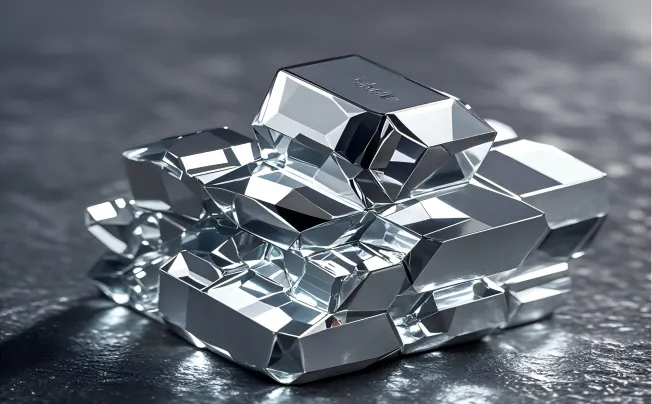
Silicon metal, also known as industrial silicon or metallurgical-grade silicon, is a critical component in the manufacturing of electronic devices, solar panels, alloys, and many o…
Learn more
Metals and nonmetals are two distinct categories of elements on the periodic table, distinguished by their physical and chemical properties. Metals are characterized by their lustr…
Learn more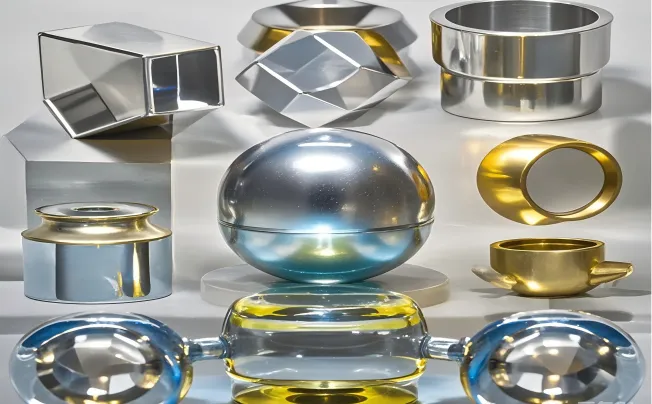
Silicon and silica metals are two elemental entities that often share a place in discussions surrounding industrial applications, technological advancements, and natural occurrence…
Learn more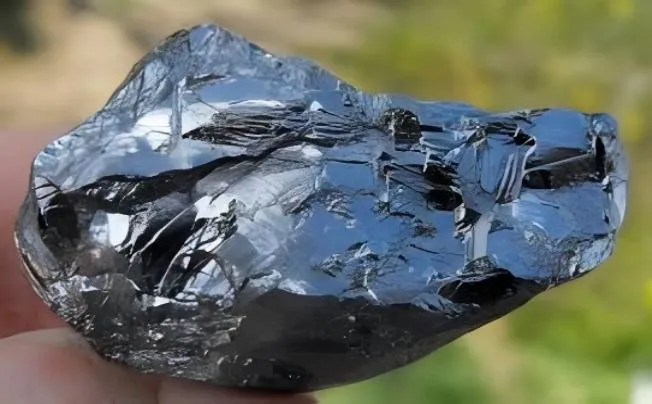
Silicon metal, a lustrous and versatile element, is vital in the realm of industrial materials. Recognized for its exceptional properties, it serves as the building block for a myr…
Learn more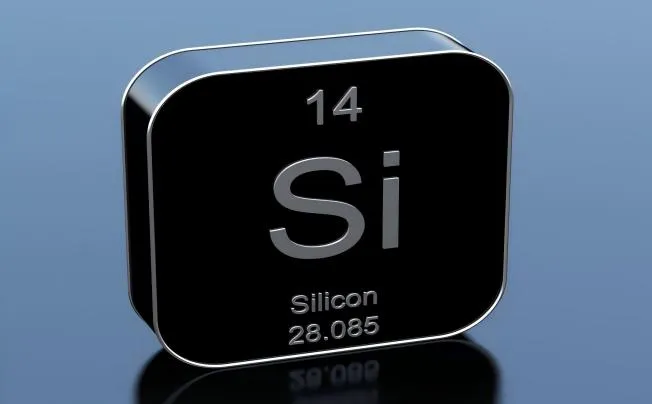
Silicon metal, a lustrous and brittle element found in abundance in the Earth's crust, is a fundamental component in the realm of metallurgy. Its atomic structure and unique proper…
Learn more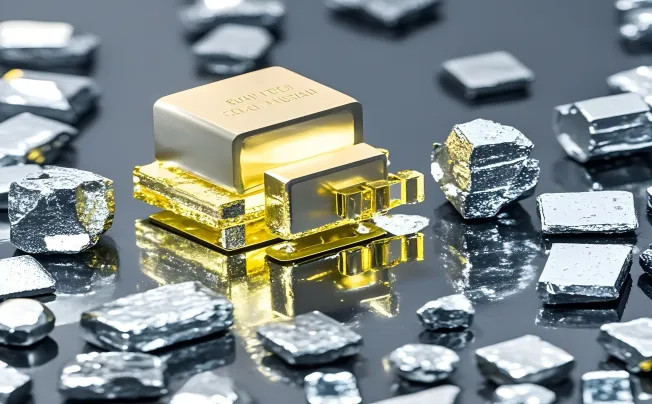
Silicon, a crystalline solid with atomic number 14, is a versatile and abundant chemical element in Earth's crust. It holds the unique position of being a metalloid, sharing proper…
Learn more