Huafu Commercial Center,
Wenfeng District,
Anyang City,Henan Province.

Huafu Commercial Center,
Wenfeng District,
Anyang City,Henan Province.
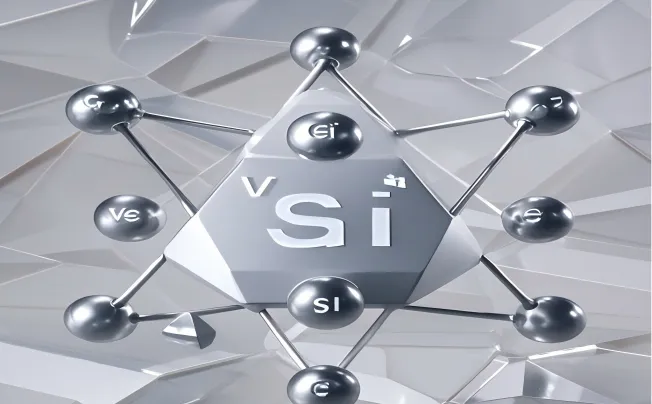
Silicon, a non-metallic chemical element with the atomic number 14, is paramount in the periodic table for its remarkable versatility.
Learn more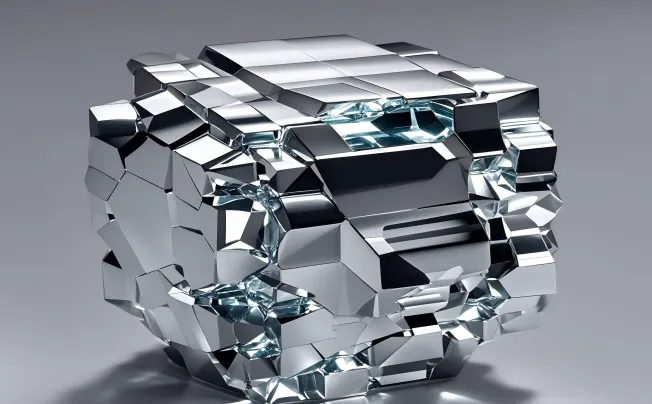
Silicon, symbolized by the atomic number 14 in the periodic table, is a fascinating chemical element that holds an essential place in modern science and technology.
Learn more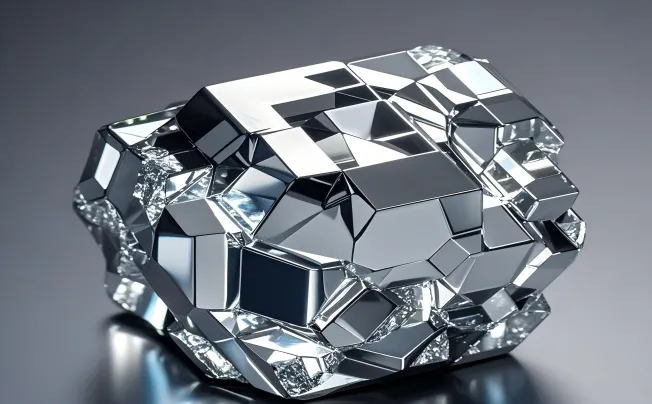
Silicon, a versatile and abundant element, is crucial in the modern technological landscape. As the second most abundant element in the Earth's crust after oxygen, silicon is widel…
Learn more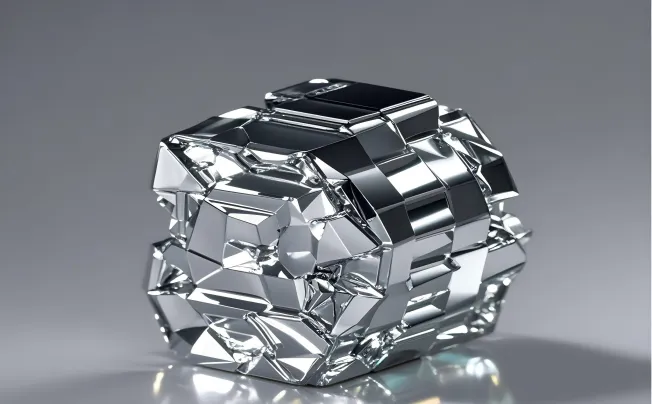
Metalloids, often referred to as semimetals, form a fascinating group of elements that exhibit properties intermediate between metals and nonmetals. Situated on the periodic table …
Learn more
Metalloids, often referred to as semimetals, are a unique group of elements that exhibit properties of both metals and non-metals. This intriguing category occupies a crucial space…
Learn more
Silicon, denoted by the atomic number 14 and symbol Si, is a remarkable chemical element that holds a pivotal role in the realms of science, industry, and technology. Known for its…
Learn more
Pure silicon refers to silicon that has been refined to a high degree of purity, typically exceeding 99.9999%. This level of purity is essential for various industrial applications…
Learn more
Silicon, a versatile and abundant element, plays a crucial role in powering the modern world. Its unique properties have made it indispensable in various industries, ranging from e…
Learn more
Metals and nonmetals are two distinct categories of elements on the periodic table, each characterized by unique properties and behaviors. Metals, which constitute the majority of …
Learn more
The periodic table is a masterpiece of scientific organization, a symphony of elements arranged in increasing atomic numbers to showcase their unique properties and characteristics…
Learn more